New Prince Shri Bhavani College of Engineering and Technology

Santhosapuram, Chennai
044 – 22780404
91526 66333 | 91526 66444
MASTER OF COMPUTER APPLICATION (MCA)

MASTER OF COMPUTER APPLICATIONS (MCA)

The department functions as a comprehensive academic unit, equipped with its own laboratories, computers, and software to effectively cover all subjects mandated by the University curriculum. A team of experienced and dedicated faculty members ensures that every subject is taught with clarity and rigor.

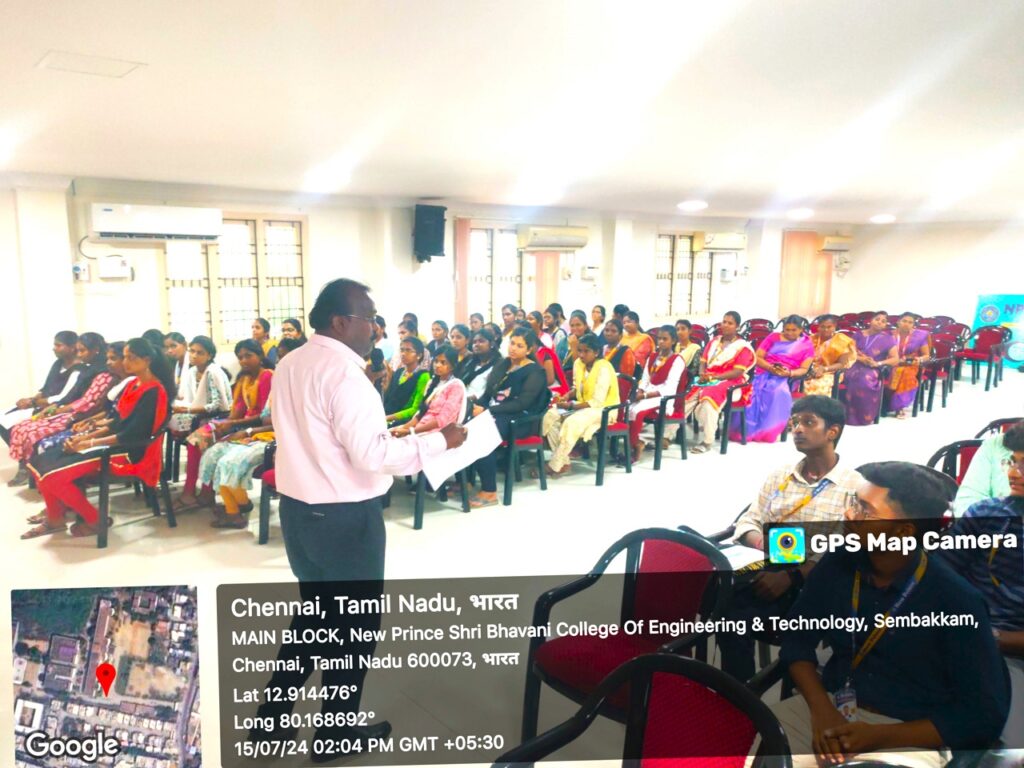
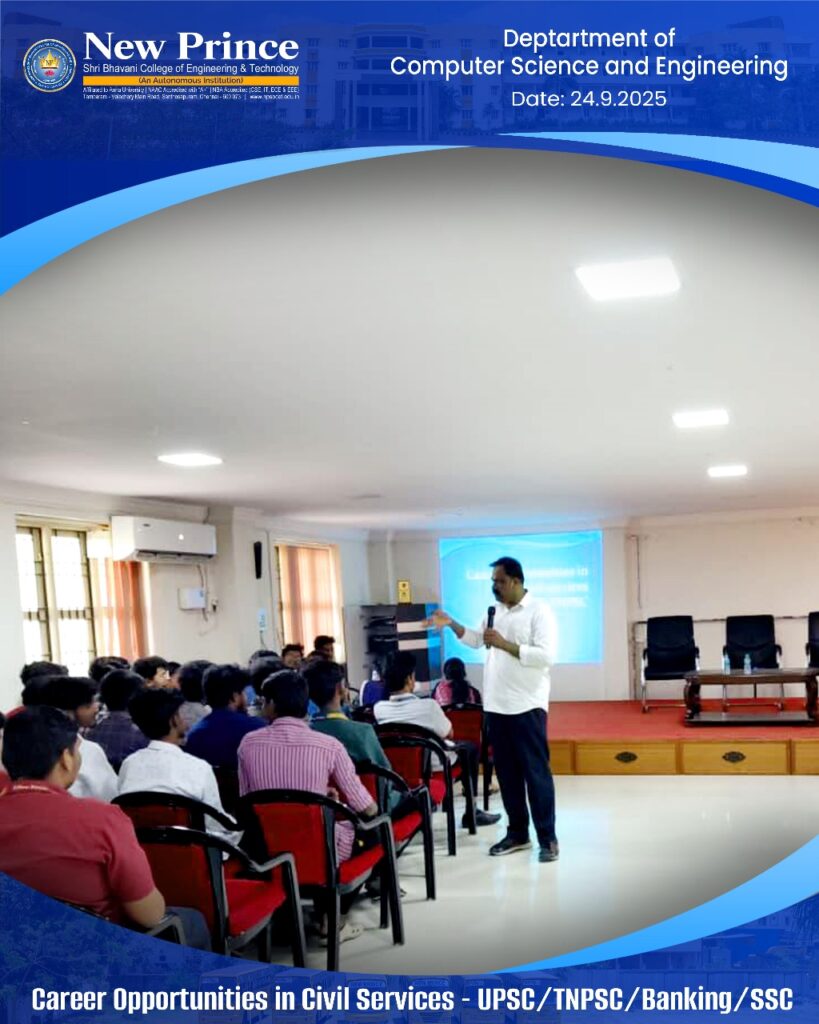
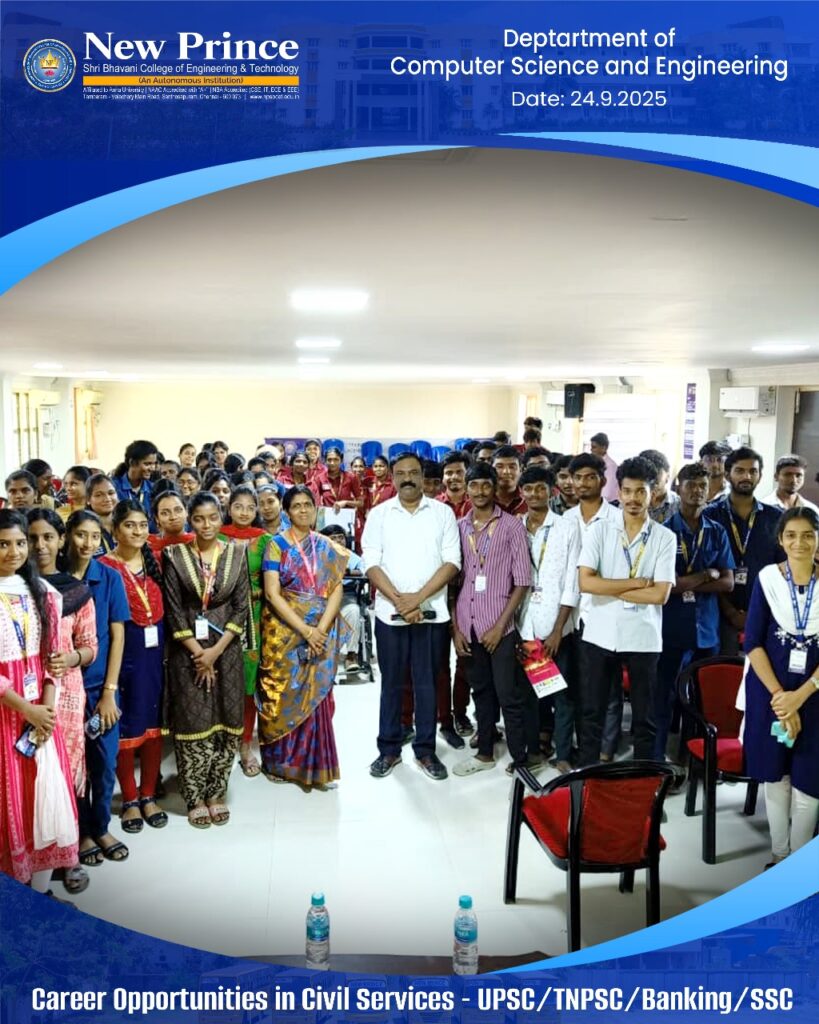
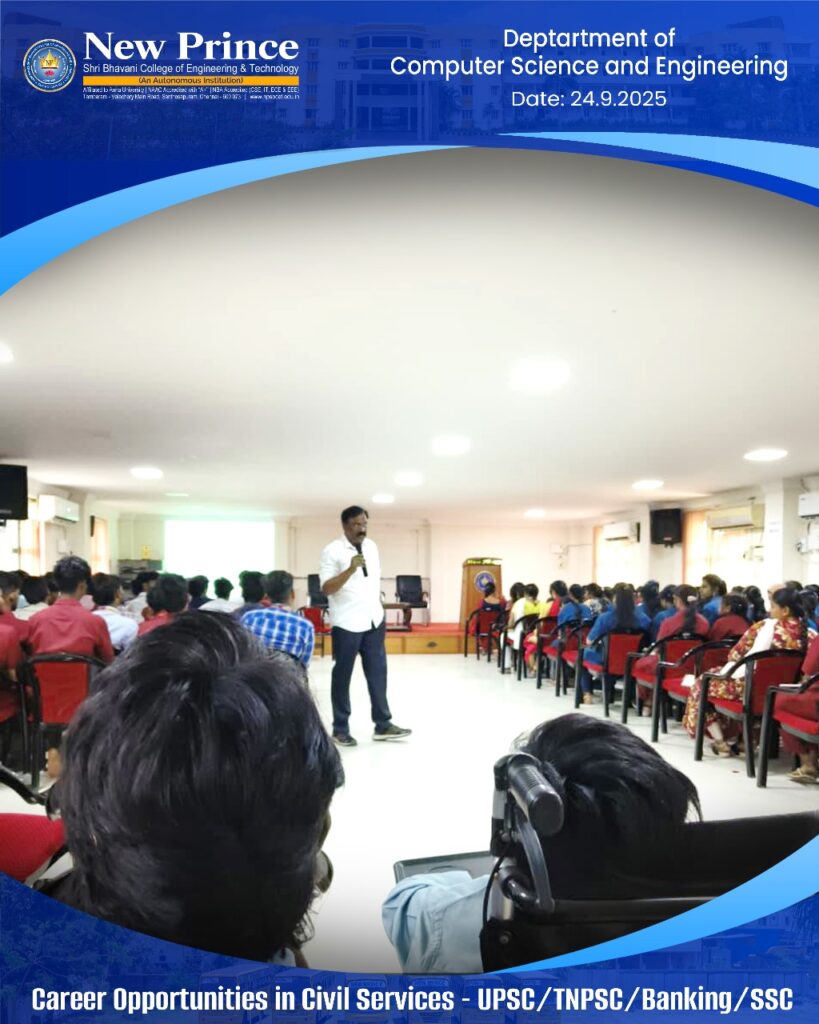
Students are regularly provided opportunities to interact with industry experts, enabling them to stay updated with the latest trends and advancements in the field. In addition to their regular academic workload, students undertake internships and projects that enhance their practical knowledge and professional readiness.

To further strengthen their skills, the department conducts regular online and written assessments, helping students consolidate their learning and apply it effectively during aptitude tests and placement opportunities. The department is equipped with the following facilities: high-performance systems and latest software tools, access to journals, e-resources, and industry publications, hands-on training in network configuration, cybersecurity and ethical hacking.

Through internships, live projects along with training programs on emerging technologies and software trends, the students gain practical exposure. Complemented by digital literacy initiatives, outreach activities, and technology-driven social projects, these experiences empower them to confidently tackle innovation challenges.

Graduates of the MCA Department have excelled in careers as software developers, data analysts, system architects, and IT consultants. Alumni contribute to leading multinational corporations, startups, and research organizations, reflecting the department’s strong academic and practical foundation.

With technical excellence, the department shapes students into competent IT professionals who drive digital transformation and contribute meaningfully to society.

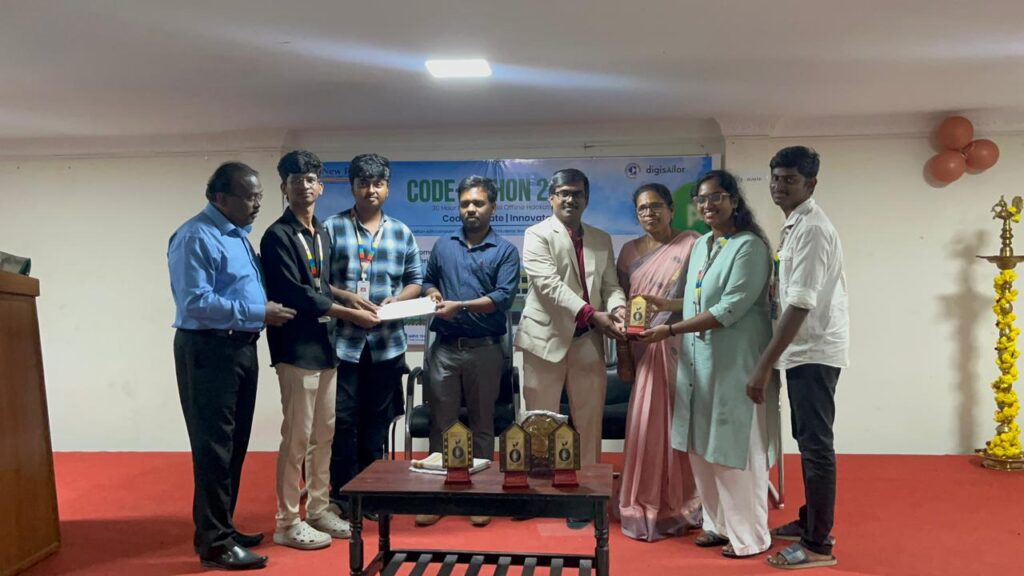
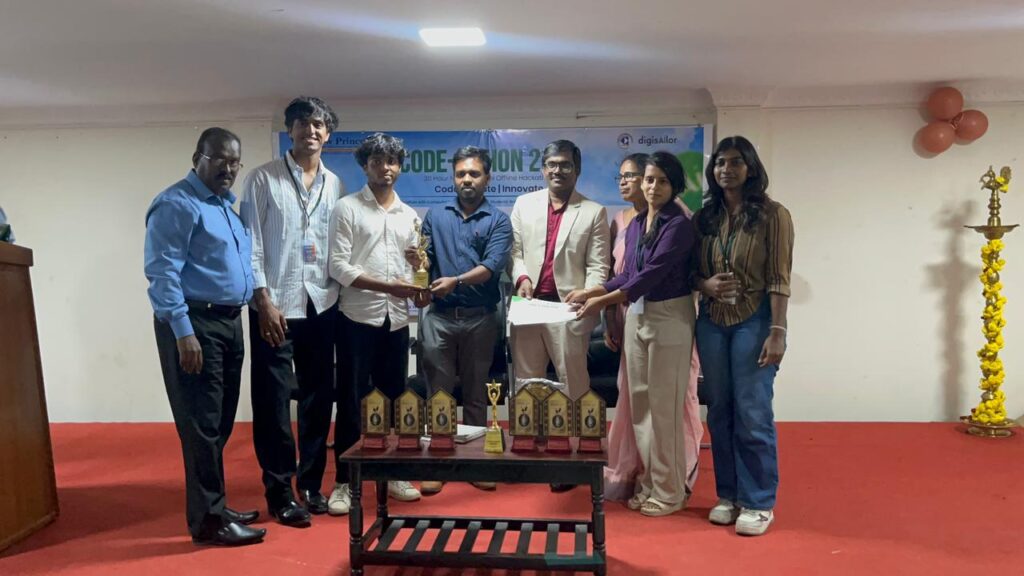
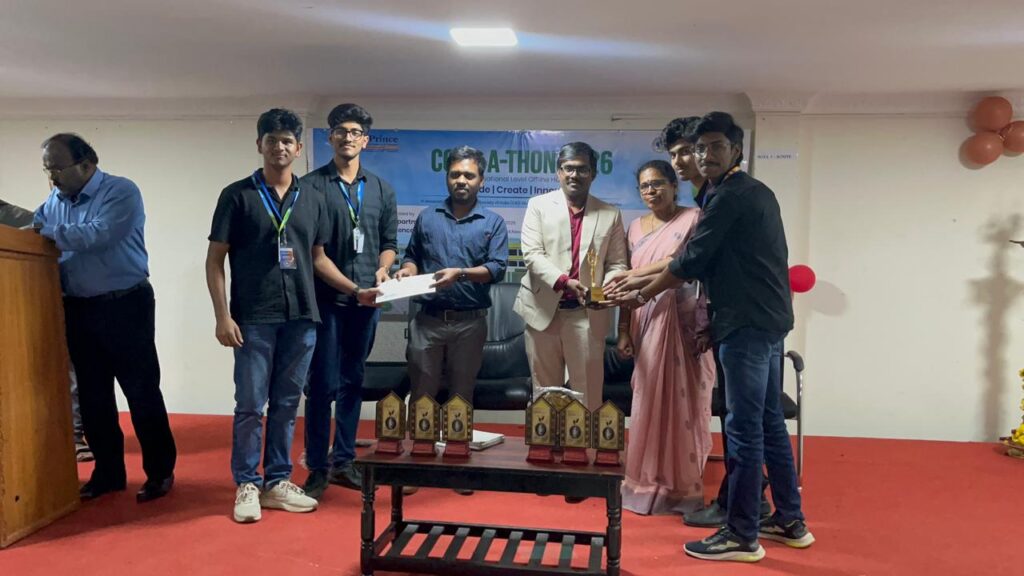
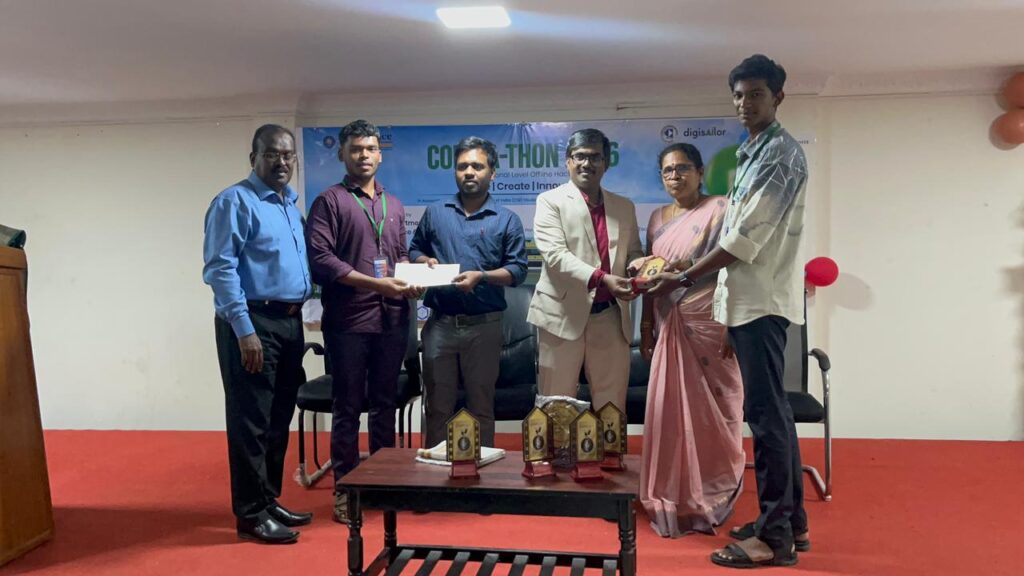
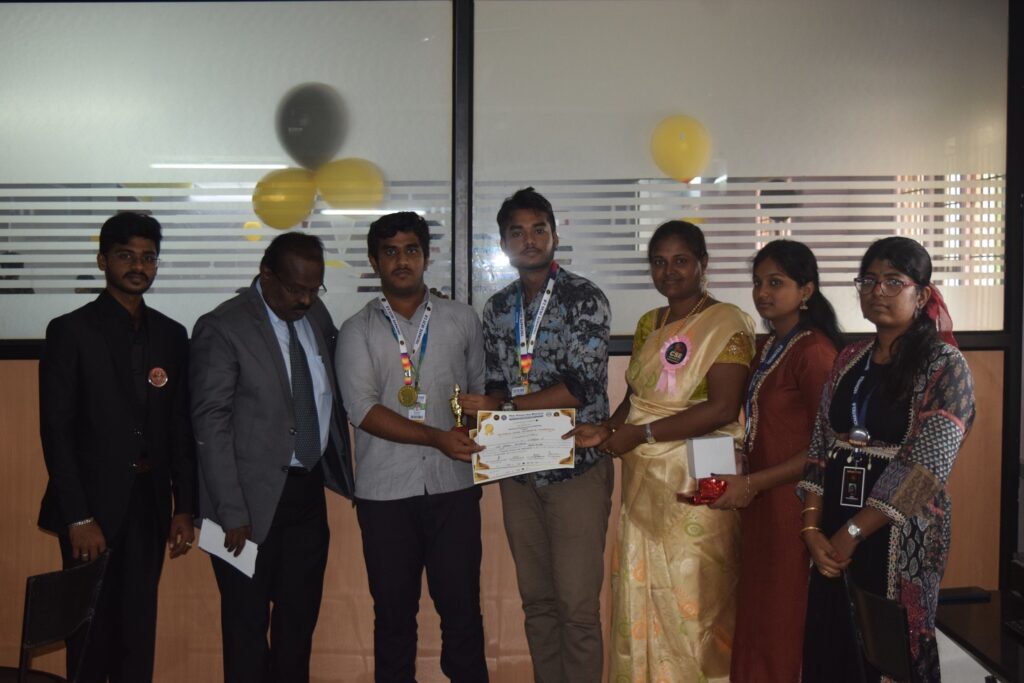
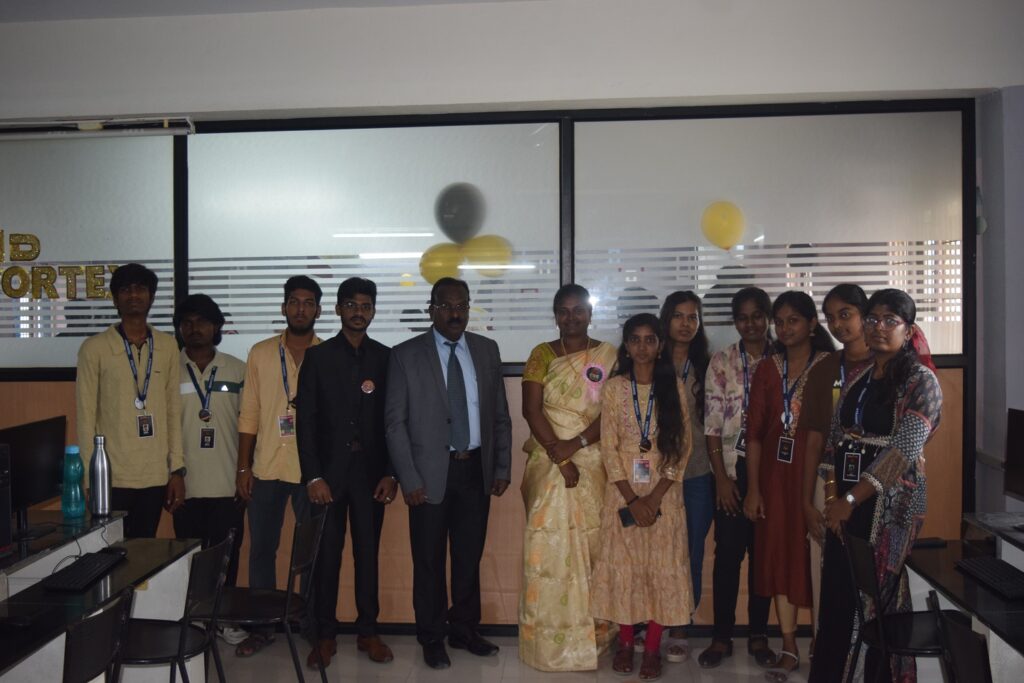
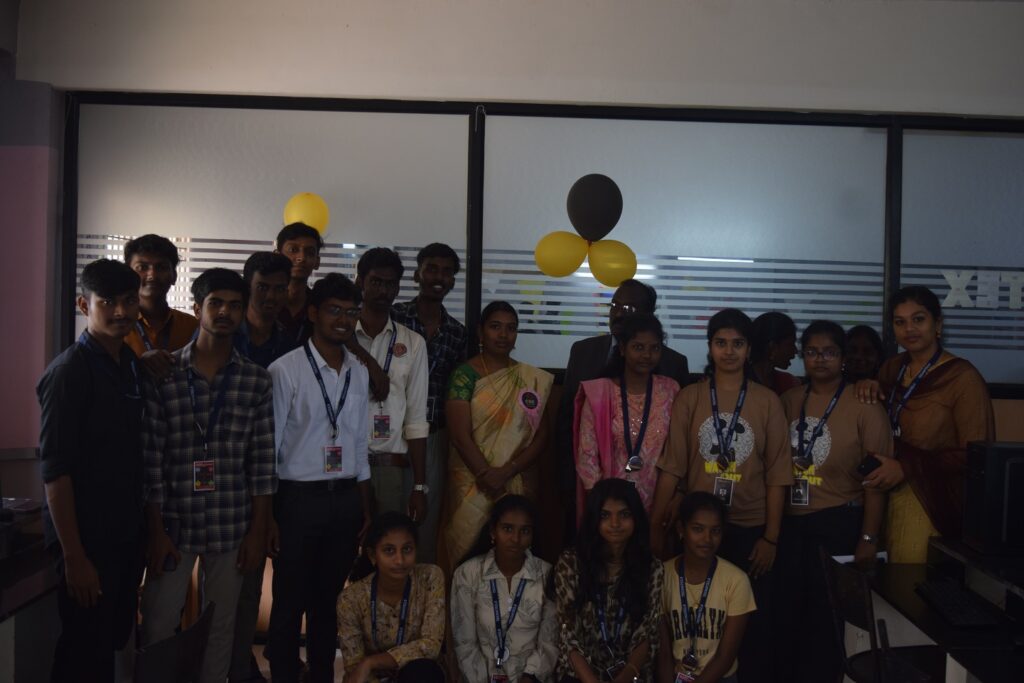
Code Athon

Awareness Program

GUVI

Message from the Head of the Department

At NPSBCET, the Department of Computer Applications is committed to producing outstanding computer professionals for the betterment of society. Our department strives to create a vibrant academic environment that blends strong theoretical foundations with hands-on practical exposure, enabling students to meet the rapidly evolving demands of the digital world.

In line with our mission, we focus on imparting sound technical knowledge, nurturing industry-ready skills and fostering a culture of innovation and lifelong learning among our students. The department actively encourages research, interdisciplinary learning and the effective use of emerging technologies so that our graduates are well prepared to contribute meaningfully to industry, academia and society.

We strongly believe that professional competence must go hand in hand with ethical values, social responsibility and a commitment to sustainable development. Through well-designed academic programs, industry interaction, mentoring activities and research initiatives, our department continuously strives to shape competent, confident and socially responsible computing professionals.

I warmly invite students, parents, alumni and industry partners to join us in our journey towards academic excellence, innovation and societal impact.


Ms S. Jeyanthi., MCA, M.Phil, (Ph.D)

Head of the Department
Department of Computer Applications
New Prince Shri Bhavani College of Engineering & Technology.

INDUSTRIAL VISIT

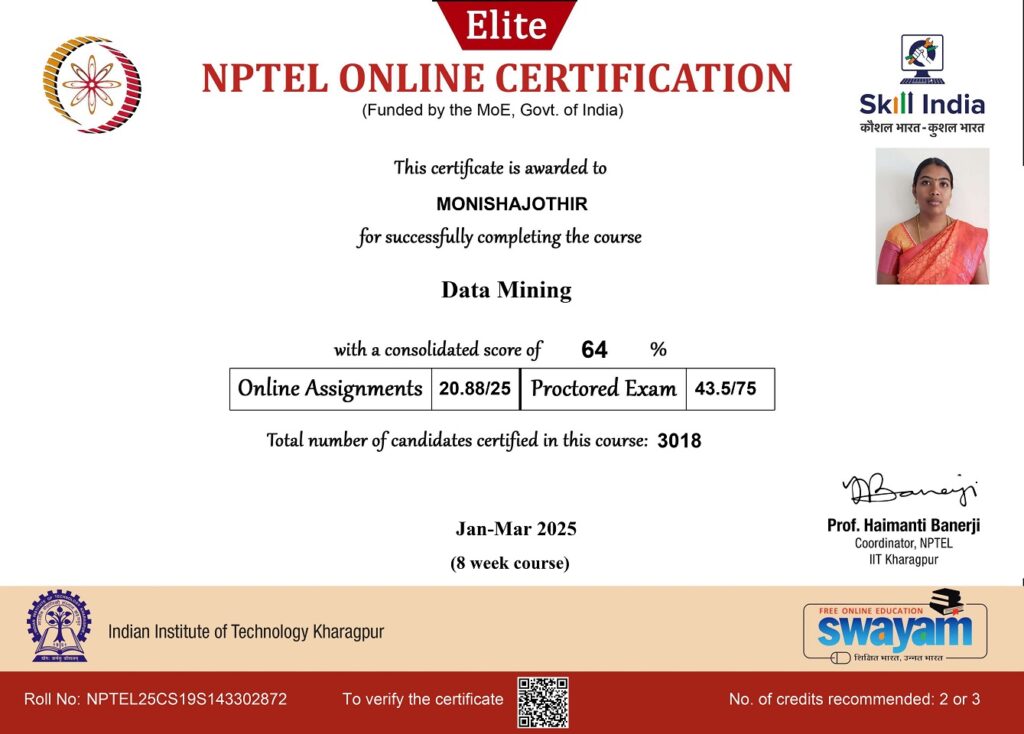
NPTEL Elite

Kochi

PROGRAMME EDUCATIONAL OUTCOMES

PEO 1 : To prepare students to excel in the computing profession by providing solid technical foundations in the field of computer applications.

PEO 2 : To provide students various computing skills like the analysis, design and development of innovative software products to meet the industry needs.

PEO 3 : To motivate students to pursue lifelong learning and to do research as computing professionals and scientists.

PEO4 : To motivate students to communicate and function effectively in teams in multidisciplinary fields within the global, societal and environmental context.

PROGRAM OUTCOMES (POS):

On successful completion of the program:

PO1 : Engineering knowledge: Apply the knowledge of mathematics, science, engineering fundamentals, and an engineering specialization to the solution of complex engineering problems.

PO2 : Problem analysis: Identify, formulate, review research literature, and analyze complex engineering problems reaching substantiated conclusions using first principles of mathematics, natural sciences, and engineering sciences.

PO3 :Design/development of solutions:  Design  solutions  for complex engineering problems and design system components or processes that meet the specified needs with appropriate consideration for the public health and  safety, and the cultural, societal, and environmental considerations.

PO4 : Conduct investigations of complex problems: Use research-based knowledge and research methods including design of experiments, analysis and interpretation of data, and synthesis of the information to provide  valid conclusions.

PO5 :  Modern tool usage: Create, select, and apply appropriate techniques, resources, and modern engineering             limitations.

PO6 :  The engineer and society: Apply reasoning informed by the contextual knowledge to assess societal, health, safety, legal and cultural issues and the consequent responsibilities relevant to the professional engineering  practice.

PO7 : Environment and sustainability: Understand the impact of the professional engineering solutions in societal and environmental contexts, and demonstrate the knowledge of, and need for sustainable development.

PO8 : Ethics: Apply ethical principles and commit to professional ethics and responsibilities and norms of the  engineering practice.

PO9 : Individual and team work: Function effectively as an individual, and as a member or leader in diverse teams,  and in multidisciplinary settings.

PO10 :  Communication: Communicate effectively on complex engineering activities with the engineering community and with society at large, such as, being able to comprehend and write effective reports and design  documentation, make effective presentations, and give and receive clear instructions.

PO11 : Project management and finance: Demonstrate knowledge and understanding of the engineering and management principles and apply these to one’s own work, as a member and leader in a team, to manage projects and in multidisciplinary environments.

PO12: Life-long learning: Recognize the need for, and have the preparation and ability to engage in independent and life-long learning in the broadest context of technological change.
PROGRAM SPECIFIC OUTCOMES (PSOs):

Students of the Information Technology Program:

PSO1 : Enable the students to select the suitable data model, appropriate architecture and platform to implement a system with good performance.

PSO2 : Enable the students to design and integrate various system based components to provide user interactive solutions for various challenges.


Our Vision


• To be a globally recognized academic institution and thereby contribute to technological and socio-economic development of the society.

Our Mission


• To develop the needed resources and infrastructure and to establish a conducive ambience for the teaching – learning process. .

• To Engage Committed members of faculty who will infuse subject knowledge with latest teaching pedagogies...

• To Ignite the desire for higher learning, research and entrepreneurship and equip them to face the global challenges

• To engage the alumni professionals as productive partners with the current students to help enrich and enhance their student life.